
10 Facts Shoppers Are Surprised To Learn About Hannaford
Hannaford is over 140 years old.
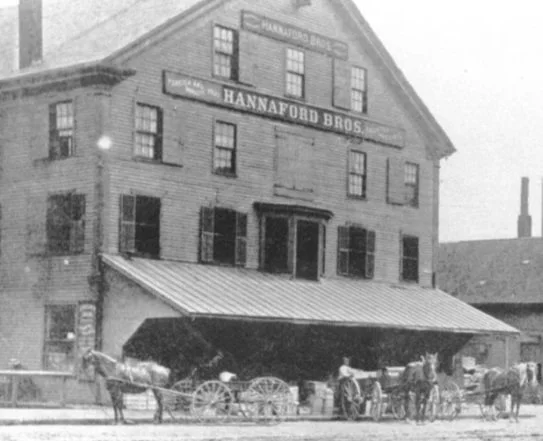
Hannaford began in 1883 when Arthur Hannaford started selling fresh fruit and vegetables from a single cart on the Portland, Maine waterfront. That makes it one of the oldest operating grocery brands in the Northeast, though they didn’t open their first supermarket until 1944.
The company is still headquartered where it all began – in Scarborough, Maine.
In Maine, Hannaford has more staff than almost any other private company in the state. With over 9,000 employees, Hannaford is Maine’s 2nd largest employer. Probably because the company isn’t just a retailer. While most grocers are outsourcing, Hannaford is running wholesale, distribution, and transportation in-house. It takes a whopping 26,000 employees to manage operations across the five states the store spans.
Despite branding itself as “your local grocer”, Hannaford was purchased by a massive multinational corporation in 2000.
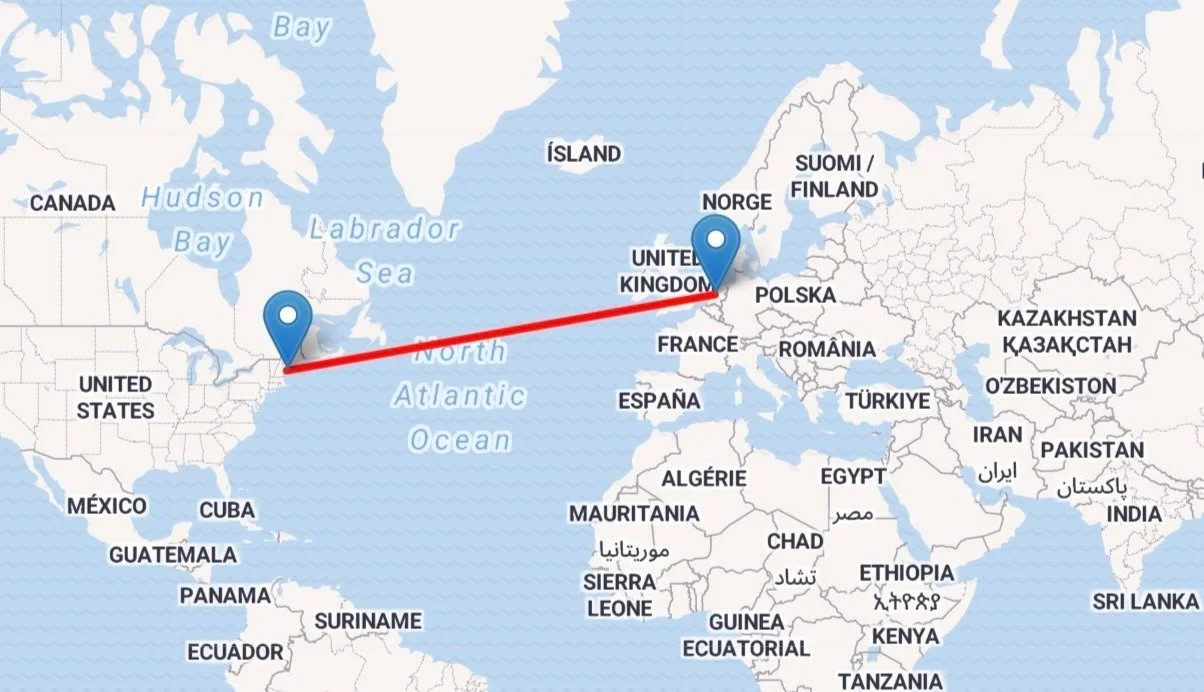
That global conglomerate, Ahold Delhaize (formerly Delhaize Group, predating a merger with another huge company), is based in The Netherlands. That's 3,364.73 miles away from Maine. But physical proximity isn’t the only factor driving distance with Hannaford customers. Becoming the fifth-largest food retailer brought modernization and expansion (like new store layouts and increasing pressure to use self-checkout) that many shoppers find more “corporate” and stale in feeling than the locally-rooted store of Hannaford’s heyday.
Ahold Delhaize CEO Frans Muller makes millions each year.

In 2024, Muller’s total compensation reached a record high 5.8 million Euros. That’s almost 7 million US Dollars.
Meanwhile, many Hannaford employees struggle with low pay and substandard benefits. You won’t believe Hannaford’s long history of union busting.
A review of more than 60 worker testimonies points to problems in Hannaford’s labor practices. One-third of workers reported chronic understaffing, unstable schedules, and wages too low to cover basic expenses. Many said they were routinely expected to handle multiple jobs without extra compensation. In October 2024, Hannaford shifted more than 1,000 mid-level managers from salaried exempt to non-exempt status, requiring 45 hours of work per week to maintain the pay they once earned for 40.
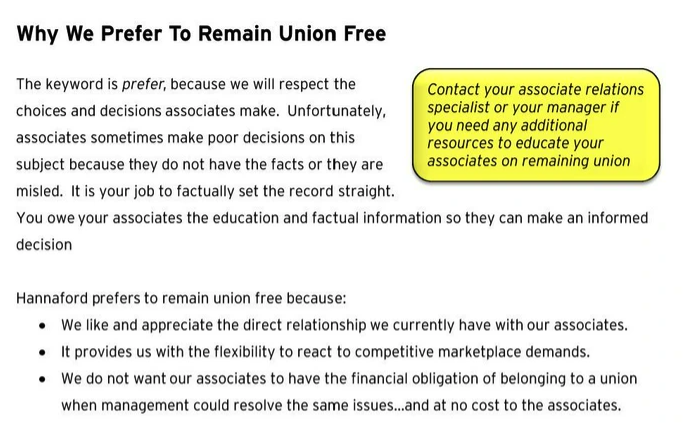
Employees also describe a strong anti-union culture.The company goes to long lengths to keep workers from organizing, distributing a twenty-page, confidential anti-union guide for managers that has been leaked online.
That’s just the start of Hannaford’s scandals. In 2024, the company was caught selling white supremacist propaganda. But researchers have found worse.
Just last year, Hannaford sold a publication produced by the New England White Network that promoted white supremacist messaging, including an ad for a Nazi-inspired book burning during Pride Month. This was not the first incident linking extremism to the company or its affiliates. Back in 2014, Hannaford’s parent company, Delhaize, drew public criticism for selling children’s costumes resembling Nazi concentration camp uniforms.
In 2024, over 95,000 Hannaford customers in Maine were victims of a data breach.
A major data breach at Ahold Delhaize exposed the personal information of more than 2.2 million people, nearly 100,000 of those in Maine. No shortage of sensitive information was spared: Social Security numbers, banking details, health data, and employment records were compromised. Hannaford didn’t just fail to protect its customers; it failed to even notify them, keeping quiet for six months after the breach while families were left vulnerable to fraud and identity theft.
Those same Customers express increasing concern with the food quality at Hannaford. Offputting meats, expired products on shelves, and rotting produce are all too common.
“The bread is either so hard or grows mold within a day or so even though it has a good date on it. The meat is the same way especially the ground beef. It doesn't last for anything.”
“At the Plattsburgh, NY location the produce quality was never very good. Now it's horrible, especially leafy greens. The packaged spinach and arugula spoil days before the best buy date.”
“I have found pieces of plastic in chicken Alfredo at least twice if not more. Their quality is lower than Walmart now.”
Hannaford has unusually low product standards, stocking shelves with unsanitary and cruelly sourced foods.
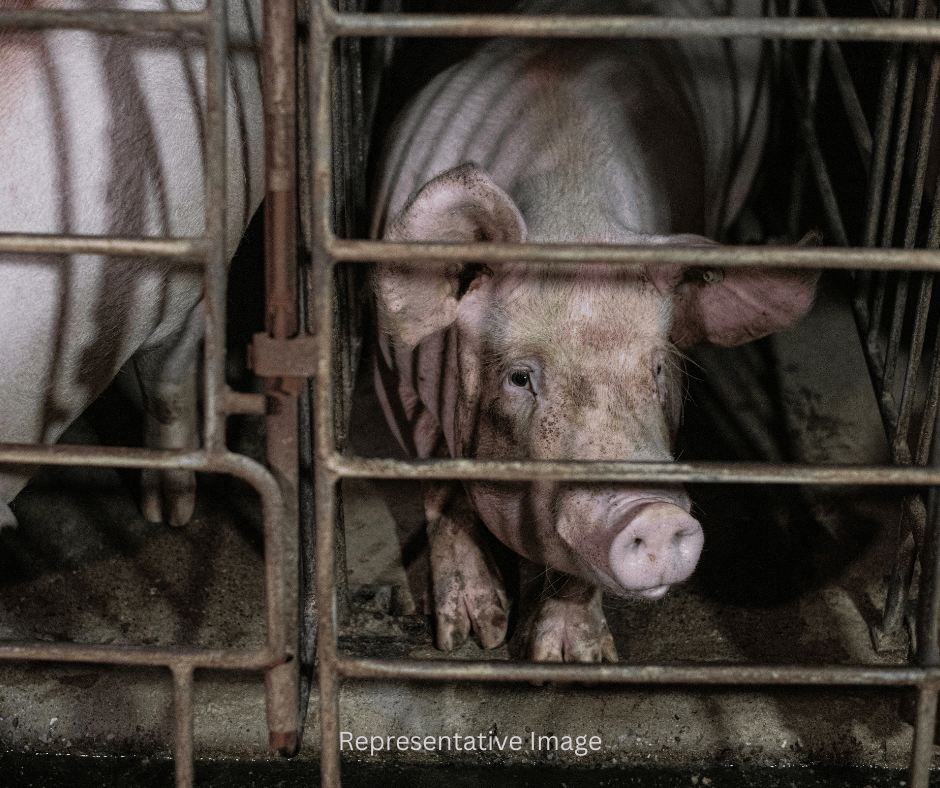

Hannaford continues to sell eggs and pork from animals kept in intensive confinement, a practice many major retailers— including McDonald’s—have abandoned. Scientists warn that these cages pose food-safety risks and lead to the poorest-quality eggs, and the American Public Health Association has formally opposed their use. Hannaford promised to stop selling these products to customers, but advocates say the company has made little progress.
In the last few years, Hannaford has been riddled with recalls.
Hannaford has averaged almost two recalls per month since January 2023. These issues aren’t exclusive to suppliers: Hannaford’s own brand of fresh salads, frozen waffles, and pasta meals were all recently recalled due to Listeria contamination. The safety concerns don’t stop there — ingredient labeling is critical to consumers with allergies, and Hannaford has had several recalls related to mislabeling of potential allergens.